
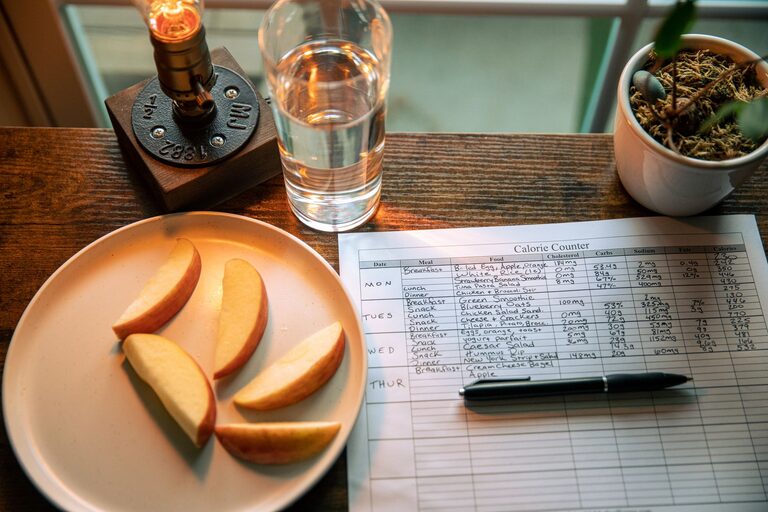

Planning balanced meals can sometimes feel overwhelming, especially when juggling work, family, and other responsibilities. However, eating well doesn’t have to be complicated or stressful. With a few simple strategies, you can create nutritious, delicious meals that fuel your body and fit your lifestyle. This guide will walk you through practical steps to plan balanced meals without the pressure.
What is a Balanced Meal?
Before diving into planning, it’s helpful to understand what a balanced meal includes. A balanced meal typically contains:
– Protein: Supports muscle repair and keeps you full
– Carbohydrates: Provides energy for your daily activities
– Healthy Fats: Supports brain function and nutrient absorption
– Vegetables and Fruits: Rich in vitamins, minerals, and fiber
– Hydration: Water or other healthy beverages to stay hydrated
The goal is to combine these components in a way that’s enjoyable and suits your preferences.
Why Planning Meals Matters
Setting aside time to plan meals helps you:
– Save time throughout the week
– Reduce food waste and save money
– Maintain a consistent intake of nutrients
– Avoid last-minute unhealthy choices
– Feel more in control of your diet and health
Step 1: Start with a Weekly Meal Plan
Creating a weekly meal plan might feel time-consuming at first, but it quickly becomes a helpful habit. Here’s how to start:
- **Check your schedule:** Note days when you’ll have less time for cooking. Plan quicker or leftovers meals on those days.
- **Choose simple recipes:** Pick meals with few ingredients or one-pot dishes to save prep time.
- **Use themes:** For example, Meatless Monday, Taco Tuesday, or Stir-fry Friday. This reduces decision fatigue.
- **Plan for leftovers:** Cook extra portions to enjoy as lunches or dinners later.
Step 2: Build Balanced Plates Easily
Use the classic “plate method” to visualize balanced meals:
– Half the plate filled with vegetables and fruits
– One quarter with lean protein (chicken, fish, tofu, beans)
– One quarter with whole grains or starchy vegetables (brown rice, quinoa, sweet potatoes)
– Add a small serving of healthy fats (avocado, nuts, olive oil)
This simple guide can take the guesswork out of meal composition.
Step 3: Grocery Shopping Made Simple
A well-planned grocery list is your best friend. Here are tips to make shopping easier:
– Stick to your meal plan: Write down all ingredients needed.
– Shop the perimeter: Fresh produce, lean proteins, and dairy are often found here.
– Buy versatile foods: Items like spinach, eggs, and canned beans work in many recipes.
– Don’t forget snacks: Healthy options like nuts, fruit, or yogurt keep energy steady.
– Consider frozen vegetables: They are nutritious, last longer, and reduce prep time.
Step 4: Prep When You Can
Meal prepping doesn’t have to be a full Sunday kitchen marathon. Small steps can make a big difference:
– Chop vegetables ahead of time and store them in containers
– Cook grains or proteins in bulk to use throughout the week
– Portion snacks for easy grab-and-go options
– Use slow cookers or instant pots for hands-off cooking
Even 15–30 minutes of prep can ease weekday meal stress.
Step 5: Be Flexible and Kind to Yourself
Life happens and plans may change. Here’s how to stay on track without pressure:
– Swap meals if your schedule shifts
– Use leftovers creatively instead of throwing food out
– Allow occasional treats—balance is key, not perfection
– Learn from the week and adjust your plan accordingly
Remember, the goal is sustainable healthy habits that fit your life.
Bonus Tips for Stress-Free Balanced Meals
– Keep a recipe collection: Save your favorite quick, balanced meals for busy days.
– Involve family or roommates: Cooking together can share the load and be fun.
– Use technology: Meal planning apps or calendar reminders help keep you organized.
– Stay hydrated: Sometimes thirst is mistaken for hunger, so drink water throughout the day.
Conclusion
Planning balanced meals without stress is achievable with a bit of organization and a flexible mindset. By understanding what makes a meal balanced, setting up a simple meal plan, shopping smart, prepping ahead, and being kind to yourself, you’ll enjoy the benefits of nourishing meals that fit your busy lifestyle. Start small, and watch your confidence and health improve one meal at a time!