
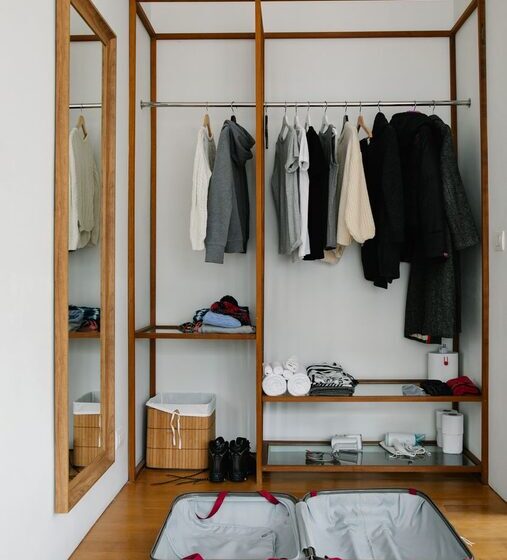

Storing seasonal clothes efficiently is key to maintaining an organized home and making the most of your wardrobe space. Whether it’s packing away bulky winter sweaters or summer dresses, careful storage helps protect your garments and makes seasonal transitions smoother. In this post, we’ll explore step-by-step tips and ideas to help you store your seasonal clothes neatly and effectively.
Why Store Seasonal Clothes Properly?
When clothes are stored correctly, they last longer and remain in good condition. Proper storage prevents damage from moisture, pests, and wrinkles. It also frees up closet space, making your everyday wardrobe easier to navigate. By having only the current season’s clothes on hand, you can quickly find what you need without sifting through unnecessary items.
Preparing Clothes for Storage
Before packing your out-of-season clothes away, it’s important to prepare them. Here’s how:
Clean Everything
Always wash or dry clean clothes before storing. Dirt, sweat, and oils can attract pests and cause stains to set. Ensure clothes are completely dry to prevent mold and mildew growth.
Repair Damages
Check for missing buttons, loose seams, or small tears. Fixing these issues before storage saves you time later and helps prevent further damage.
Sort and Declutter
Take this opportunity to go through your wardrobe. Donate or recycle items you no longer wear or need. This reduces clutter and streamlines your storage load.
Choosing the Right Storage Solutions
Selecting appropriate containers and storage methods can make a big difference.
Use Breathable Containers
Cotton storage bags or fabric bins allow air circulation, which helps prevent moisture buildup. Avoid plastic bags for long-term storage, as they can trap humidity.
Opt for Clear Plastic Bins with Lids
For items that need more protection, such as delicate fabrics, choose clear bins so you can easily identify contents. Be sure to use bins with tight-fitting lids to keep out dust and pests.
Vacuum-Sealed Bags
These are helpful for bulky items like coats and comforters. Vacuum sealing reduces volume, saving space, but limit their use to shorter storage periods to avoid fabric damage.
Utilize Under-Bed Storage
Flat, rolling containers designed to fit under the bed make good use of low space for storing clothes you access less often.
Use Hanging Garment Bags
For special or delicate clothing such as formal wear, use breathable garment bags. Hang them in a closet or a storage area with good ventilation.
Storage Tips by Clothing Type
Different fabrics and clothing types require specific handling.
Wool and Knits
Fold wool sweaters and knits carefully to avoid stretching. Store with cedar blocks or lavender sachets to deter moths.
Denim and Cotton
Fold jeans and cotton shirts neatly. These fabrics are less delicate but still benefit from clean, dry storage.
Delicate Fabrics
Silk, lace, and other delicate items should be wrapped in acid-free tissue paper and stored flat or hung in breathable bags.
Shoes and Accessories
Clean shoes before storing. Use shoe boxes or cloth bags, and stuff shoes with paper to retain shape. Store belts, scarves, and hats in separate containers to avoid crushing.
Organizing Your Storage Space
Keeping storage organized helps you find items quickly when the season changes.
Label Everything
Use labels on bins and bags to easily identify contents without opening them.
Group Similar Items
Store similar types of clothing together, such as all sweaters in one bin, all swimwear in another.
Use Inventory Lists
Keep a simple list of stored items, either on paper or digital. This helps keep track of your wardrobe and avoid buying duplicates.
Store in a Cool, Dry Place
Avoid attics or basements that may be prone to extreme temperatures or moisture. A closet or under-bed area with stable conditions is ideal.
Maintaining Your Stored Clothes
Even when clothes are stored, occasional maintenance is important.
– Check on stored items periodically for signs of moisture or pests.
– Air out clothes occasionally to prevent musty odors.
– Refresh cedar blocks or natural repellents as needed.
Seasonal Transition Tips
When it’s time to swap your wardrobe, follow these steps:
- Take out stored clothes carefully to avoid stirring up dust.
- Inspect items for any damage.
- Wash or air out clothes before wearing.
- Pack away out-of-season items promptly, following the storage tips above.
Final Thoughts
Efficient storage of seasonal clothes not only extends the life of your garments but also creates a more enjoyable, clutter-free living space. By cleaning, sorting, and using the right containers, you can protect your clothes and keep your home organized year-round. Start small, and build a storage system that works for your lifestyle and space.
Happy organizing!